

Introduction
In today’s digital age, every competitive business needs the right tools to survive—and one of the most critical is a CRM (Customer Relationship Management) system. If you’re wondering why growth seems elusive or why customer satisfaction is dropping despite your best efforts, the absence of a CRM might be the silent culprit. Whether you’re managing a startup or overseeing a small enterprise, not using a CRM could be costing you more than you think.
Let’s explore the top 7 reasons your business is failing without a CRM, especially in a landscape where business automation, small business tools, and customer tracking can make or break success.
1. You're Losing Track of Customer Data
Imagine meeting a customer once and forgetting their name, past purchases, and preferences—unacceptable, right? That’s essentially what happens without a CRM.
With customer data spread across emails, spreadsheets, sticky notes, or even just your memory, you miss out on important relationship-building opportunities. A good CRM centralizes this data, giving your team full visibility and context during every customer interaction.

2. Missed Follow-Ups Are Costing You Sales
Have you ever forgotten to follow up with a lead or client? Without a CRM, this happens more often than most business owners care to admit. Each missed follow-up means a lost opportunity—and possibly a lost customer.
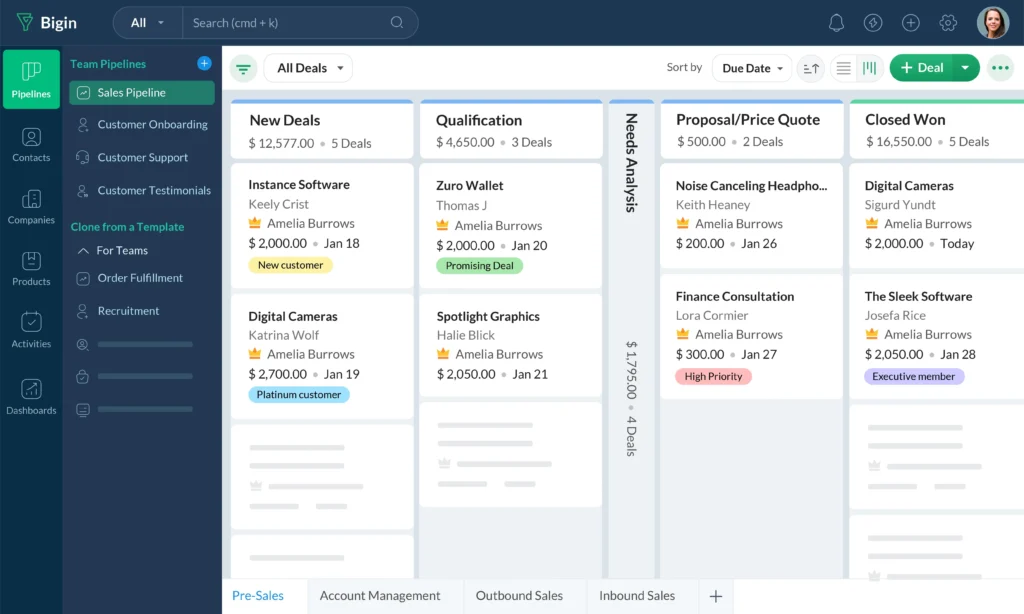
A CRM automates reminders, notifications, and task scheduling. You’ll never have to guess when to reconnect with a lead again. This is one of the biggest advantages in customer tracking and sales pipeline management.
Learn more about follow-up strategies in this HubSpot article.
3. Your Team Isn't Aligned
One of the most frustrating business challenges is internal miscommunication. If your sales, customer service, and marketing teams are working in silos, you’re likely seeing inefficiencies across the board.
A CRM fosters collaboration by allowing all departments to access up-to-date client information. This ensures that every team member is on the same page—literally and strategically. It’s the ultimate small business tool for improving internal communication and workflow.

4. You're Not Leveraging Business Automation
Manual tasks like sending welcome emails, logging client interactions, or updating contact info waste time and increase errors. Without business automation, you’re burning hours on repetitive tasks.
Most modern CRMs offer built-in business automation features such as email workflows, lead scoring, and sales tracking. This not only saves time but also increases productivity and improves the customer experience.
See how business automation boosts productivity in this article.
5. You're Losing Leads Through the Cracks
Not all leads are hot, but all leads are valuable. Without proper customer tracking, lukewarm or cold leads often fall through the cracks, only to be captured by competitors who follow up with better timing and strategy.
A CRM helps you track every lead’s journey through the sales funnel, from first interaction to conversion (and beyond). You’ll know exactly when to reach out and with what message—because the CRM gives you the data you need to make smarter decisions.
6. Poor Customer Experience and Retention
Did you know it costs five times more to acquire a new customer than to retain an existing one? Yet many businesses focus so much on getting new customers that they ignore the ones they already have.
A CRM allows you to monitor customer satisfaction, purchase history, and support tickets. This helps in offering personalized experiences and targeted offers—essential steps for customer retention and brand loyalty.
Explore retention tactics on Zendesk’s guide to customer retention.
7. You Can’t Measure What You Don’t Track
If you’re running your business blind—without metrics, reports, or key performance indicators—you’re likely making misinformed decisions. CRMs provide dashboards and analytics to show how your sales team is performing, which campaigns are successful, and where your growth is coming from.
This data empowers you to adjust strategies proactively rather than reactively, giving your business a real competitive edge.

Why CRM Is More Than Just Software—It’s a Growth Strategy
Integrating a CRM into your business operations is not just about convenience—it’s about survival. Especially for growing enterprises, adopting tools like CRMs, business automation, and small business tools can be the difference between scaling up or shutting down.
CRM software isn’t just for big companies anymore. Affordable and scalable options are now available for businesses of every size. By centralizing data, streamlining communication, and enabling precise customer tracking, CRMs lay the foundation for smarter decisions, better marketing, and stronger customer relationships.
What Kind of CRM Should You Choose?
If you’re sold on the benefits of CRM but don’t know where to start, begin by identifying your needs. Do you need sales automation? Customer service ticketing? Marketing campaign tracking?
Here are a few reputable options to explore:
Pro Tip: Look for a CRM that integrates easily with your existing tools and scales as you grow.
Final Thoughts: Embrace CRM or Risk Being Left Behind
Let’s face it: doing business without a CRM in today’s fast-paced digital world is like sailing without a compass. The absence of business automation, small business tools, and solid customer tracking leaves your company vulnerable to inefficiencies and lost revenue.
Now is the time to invest in a CRM—not tomorrow, not next year. Your competition isn’t waiting. Neither should you.